

Pokambirana za njira zopangira miyala yachilengedwe, tiyenera kuzindikira kusiyanasiyana kwawo. Natural stones such as marble and granite have structural defects due to their unique geological formation process, and these defects often require bonding repair before further processing. This article will explore the purpose of repairing marble and granite slabs, the selection of repair materials, and the requirements of mechanized stone slab repair processes. Tidzasanthula zolinga zokonzanso zamitundu yosiyanasiyana ya miyala ndikuwunika mawonekedwe ndi magwiridwe antchito azinthu monga epoxy resins, unsaturated polyester resins, ndi UV-curable resins. Through these discussions, it is intended to provide the stone repair industry with scientific and efficient repair solutions to ensure the durability and beauty of these natural stones.

1. Cholinga Chokonzekera Miyala ya Marble ndi Granite ndi Kusankha Zida Zokonzera
Pophunzira njira zopangira miyala yachilengedwe, m'pofunika kuganizira za kusiyana kwake. Unlike synthetic materials, natural stones like marble and granite have inherent structural flaws due to geological processes, which can include fractures caused by tectonic activity, micro-cracks from crystal bonding imperfections, voids from dissolution, as well as fractures from extraction or mechanical damage during cutting and polishing. Choncho, zipangizozi nthawi zambiri zimafuna kukonzanso zomatira zisanayambe kukonzedwanso. Mtundu wa mwala, pamodzi ndi chikhalidwe cha zolakwika zake, umatchula zolinga zenizeni zokonzekera ndi njira.
Objectives for Repairing Different Stone Types
Marble Slabs: Miyala ikuluikulu ya nsangalabwi imafuna kukonzedwa makamaka chifukwa cha kuwonongeka kwachilengedwe kwa nsangalabwi. The main goals include not only aesthetic repairs, such as filling holes and surface defects, but also reinforcing the material to improve its durability. During processing, marble strip slabs, especially those with a thickness of 10 mm or more and lengths up to 2 meters, are highly prone to breaking. Chifukwa chake, kulimbitsa ma slabs awa - mbali imodzi kapena zonse ziwiri - ndikofunikira.
Granite Slabs: Granite, yokhala ndi mphamvu zochulukirapo komanso kuuma, nthawi zambiri safuna kulimbikitsidwa. M'malo mwake, cholinga chachikulu chokonzekera granite ndikuwonjezera mawonekedwe ake apamwamba. Ma granite a porous nthawi zambiri amafunikira kudzazidwa kuti azitha kusalala pamwamba, kulola kuyang'ana kopukutidwa pambuyo pa magawo akupera ndi kupukuta. In cases where granite has significant defects, structural reinforcement may also be necessary.
Selection of Repair and Reinforcement Materials
Kusankha kokonza ndi kulimbikitsa zida ndizofunikira, makamaka mumizere yokonza makina opangira mitundu yosiyanasiyana yamankhwala amwala. Commonly used materials include epoxy resins, unsaturated polyester resins, ndi UV-curable resins.
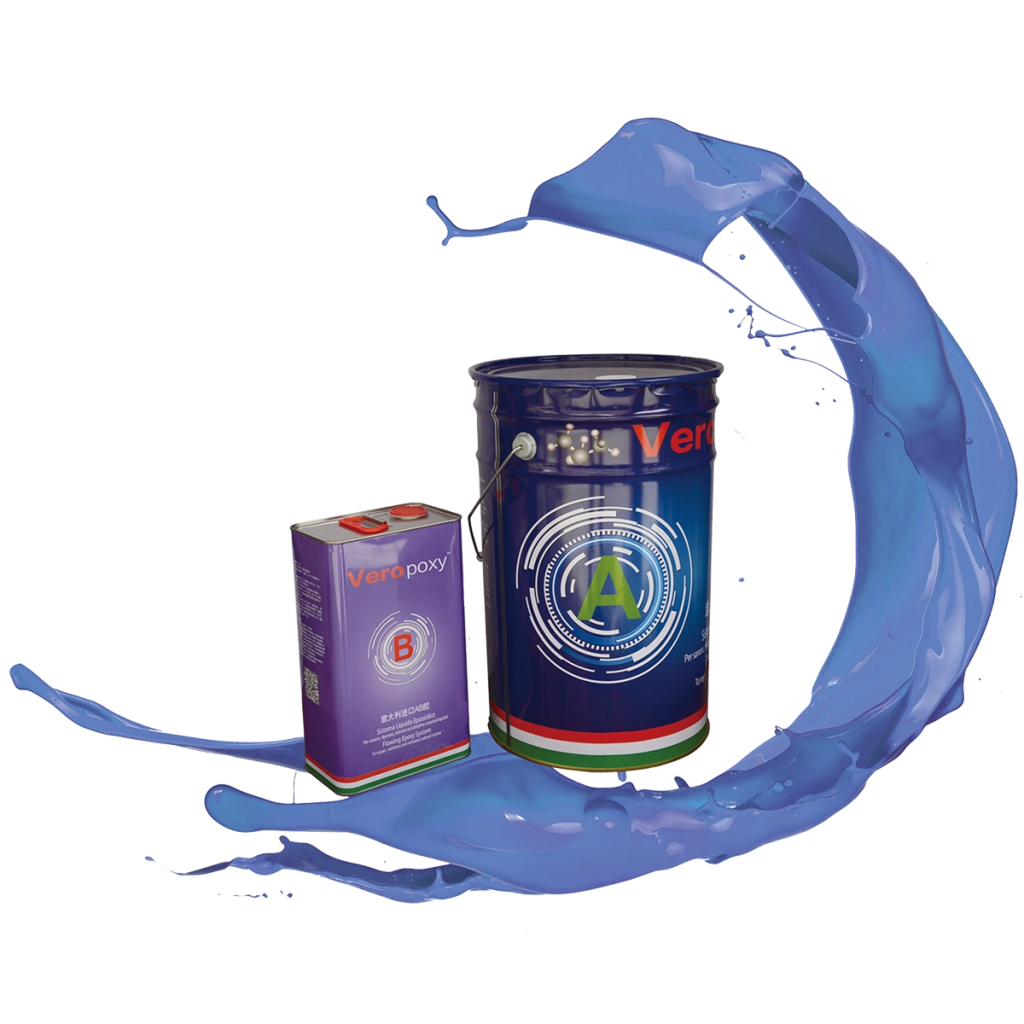
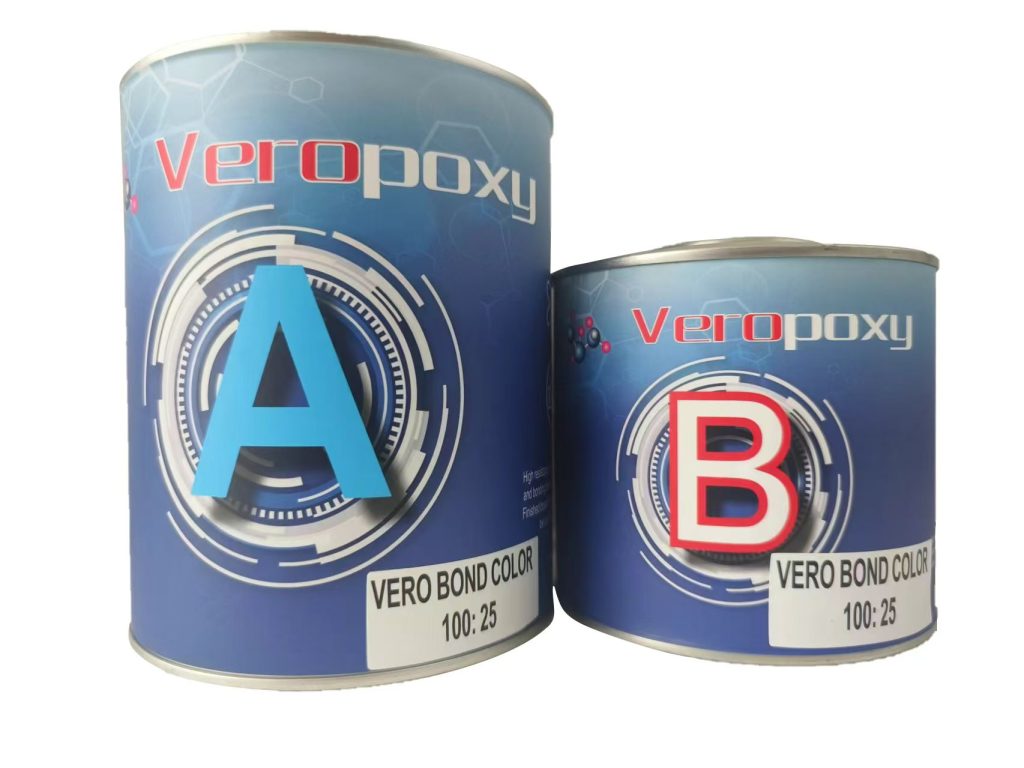
1.Epoxy Resins: Epoxy resins are ideal for structural repairs in both marble and granite slabs, especially when pieces need to be re-bonded or when additional reinforcement, such as a mesh backing, is required. Epoxy has high strength and full penetration, making it suitable for severe damage and breakage.
2.Unsaturated Polyester Resins: Utoto umenewu nthawi zambiri umagwiritsidwa ntchito pokonza ming'alu yosalowa m'malo a nsangalabwi. It offers fast curing, good penetration, and moderate strength, suitable for small cracks and surface voids. For aesthetic purposes, it can also be used to fill shallow holes on granite.
3.UV-Curable Resins: Ideal for surface repairs, UV-curable resins are fast-setting under UV light, allowing quick filling of small surface imperfections and enhancing granite’s natural color.
Each of these resins has specific processing temperatures and cost implications, so selecting the appropriate resin is vital. For instance, epoxy resins have higher costs but provide superior structural reinforcement, while UV-curable resins are cost-effective for superficial repairs.
2. Zofunikira pa Njira Zokonzera Mwala Wamakina
Repairing Large Marble Slabs
Large marble slabs often contain both internal and surface fractures, which may run through the entire thickness of the material, making them prone to breaking. Thus, reinforcing these slabs before polishing is a standard procedure. The repair process typically involves several steps, as outlined below.
1.Pre-drying of Slabs: The first critical step is drying the slabs thoroughly to remove any residual moisture in the cracks, which would otherwise inhibit resin penetration. This process requires careful selection of the drying furnace, which can be either a vertical multi-layer or a horizontal linear design, depending on resin type and production needs.
2.Resin Application for Mesh Reinforcement:Using an automatic spray or brushing machine, resin is applied onto the slab’s surface. This may involve spray heads or brush rollers, chosen based on the resin’s viscosity. Epoxy utomoni is recommended for mesh applications due to its high bonding strength and durability, despite its higher cost.
3.Laying of Reinforcement Mesh: Reinforcement mesh is applied to the resin-coated slab surface to increase strength. In automated systems, this can be accomplished with a mesh placement device.
4.Curing and Drying of Reinforcement Mesh Resin: The resin’s curing time and bond strength are affected by factors like resin type and curing duration. Placing slabs in a vertical multi-layer furnace accelerates curing for epoxy, while horizontal linear furnaces are often used for polyester resin.
5.Surface Resin Repair: For marble slabs needing additional reinforcement, the opposite side of the slab is coated with resin, usually a polyester type with high penetration. Manual assistance is often required to fill larger holes and cracks for a quality finish. Automated spray or brushing equipment can improve efficiency, though this step is optional for slabs without significant surface defects.
6.Curing of Surface Repair Resin: Compared to epoxy, unsaturated polyester resins cure more quickly. Horizontal furnaces are commonly used to achieve a balance between production speed and resin performance, ensuring a solid bond.
Repairing and reinforcing natural stone slabs, especially marble and granite, is essential for enhancing their structural integrity and aesthetic appeal. Marble requires substantial reinforcement due to its fragility, while granite typically needs aesthetic improvements, particularly for porous varieties. Choosing the right resin type—epoxy for high-strength repairs, unsaturated polyester for quick surface repairs, or UV-curable for aesthetic enhancement—ensures the durability and beauty of these natural stones. Through meticulous preparation, precise application of reinforcement, and careful curing, both marble and granite slabs can be effectively repaired to meet both structural and aesthetic standards.